


Walk into any casino and you might think the layout is random. It’s not. Every detail in a casino, from the carpet patterns to the placement of slot machines, is carefully planned using psychology to influence how long you stay and how much you spend. This isn’t about luck or chance. It’s about design choices backed by research on human behavior.
Casino designers use specific methods to create spaces that keep you comfortable and engaged. They control lighting, sounds, colors, and even the path you walk through the building. These choices affect your emotions and decisions without you noticing.
Understanding how casino design psychology works helps you see what’s happening behind the scenes. You’ll learn about the core principles designers follow, how they guide players through the space, and the latest trends changing casino environments today.
Core Principles of Casino Design Psychology
Casinos build their spaces around specific psychological principles that target how your brain processes rewards, makes decisions, and responds to environmental cues. These design choices work together to create an atmosphere where you stay longer and engage more with games.
The Role of Environment in Player Behavior
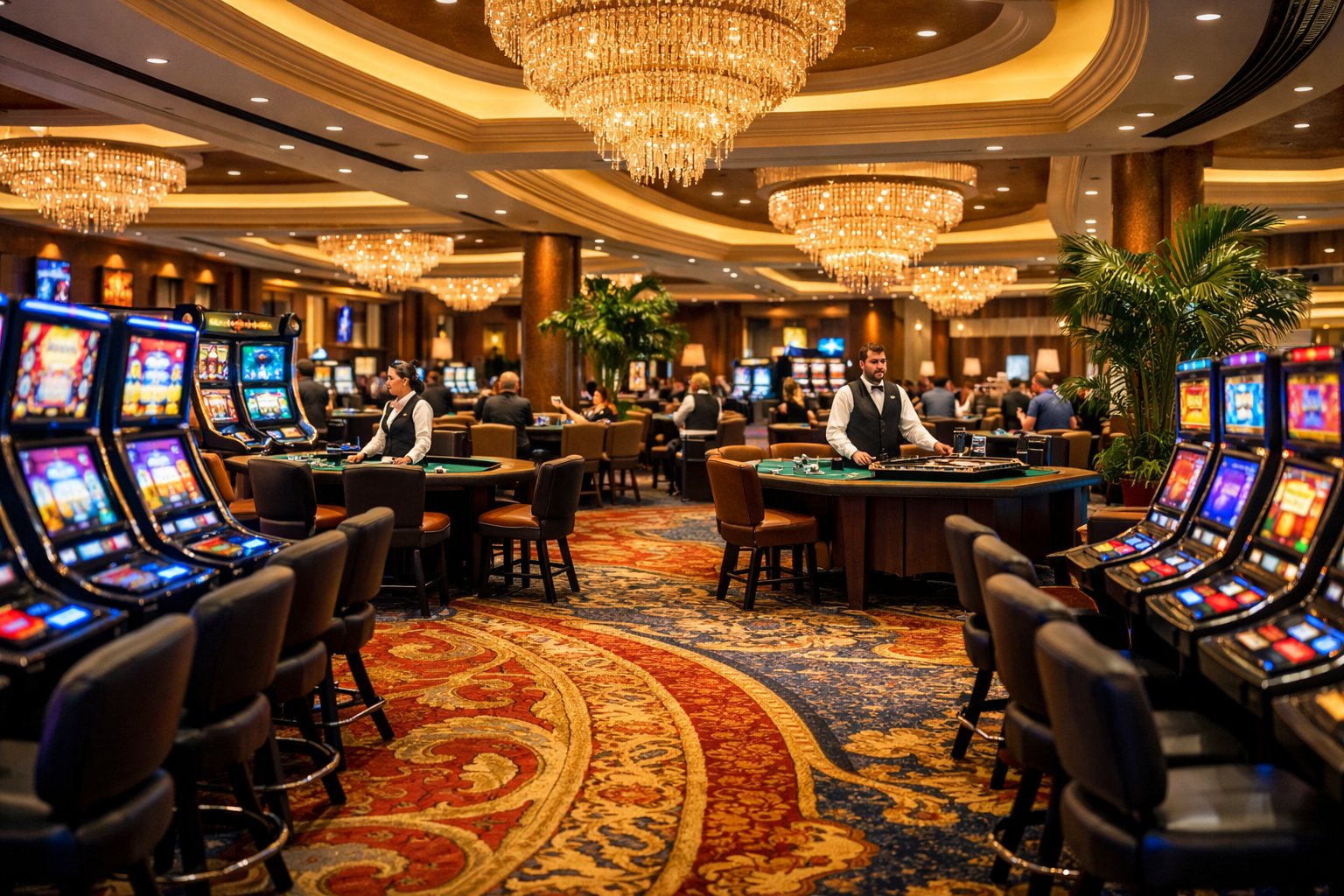
Casino environments use deliberate layouts to shape how you move and behave inside the space. The maze-like floor plans serve a specific purpose: they keep you walking past more games and make it harder to find exits. You rarely see clocks or windows in casinos because these design choices remove your sense of time passing.
The layout guides you deeper into the gaming floor through strategic placement of popular machines and tables. High-traffic pathways lead you past multiple gaming options before you reach restaurants, bathrooms, or exits. This approach keeps you exposed to gambling opportunities throughout your visit. Beyond the physical space, operators also focus on how casinos pace player momentum and flow responsibly to maintain long-term engagement.
Casinos also control the spacing between machines and tables. Tighter spaces create energy and excitement, while wider areas offer comfort for high-stakes players. The flooring, ceiling height, and even the temperature all receive careful attention to keep you comfortable enough to stay but alert enough to keep playing.
Psychological Triggers Used in Layout Planning
Casinos apply three main psychological principles to their designs: behavioral patterns in gaming spaces, reward systems that release dopamine in your brain, and mental shortcuts that affect your choices. These triggers work without you noticing them most of the time.
The placement of “hot” machines near entrances and walkways creates the impression that wins happen frequently. You hear bells and see flashing lights from winning machines, which triggers your brain’s reward center even when you’re not the one winning.
Casinos use what designers call the Freedman and Thomas approaches to layout. The Freedman method creates an intimate, enclosed feeling with lower ceilings and packed gaming areas. The Thomas approach uses open spaces and clear sightlines to help you feel comfortable and in control.
Impact of Color and Lighting on Mood
Color schemes in casinos target specific emotional responses. Red creates excitement and urgency, which is why you see it on slot machines and carpet patterns. Blue and green promote calmness and longer play sessions.
The lighting stays consistent throughout the day and night. Casinos avoid harsh overhead lights and instead use softer, warmer tones that reduce eye strain. This lets you play for hours without the fatigue that natural light cycles would create.
Accent lighting draws your attention to active gaming areas and recent winners. The contrast between darker walkways and brightly lit gaming floors pulls you toward the machines and tables. These lighting choices also make the space feel luxurious and separate from the outside world.
Spatial Layout and Player Flow
Casinos use specific layout strategies to control how you move through their space and how long you stay. The arrangement of gaming areas, sounds, and machines works together to keep you engaged and comfortable. The same principles extend into how casinos design spaces to maximize comfort and extended play sessions, where layout and sensory cues reinforce one another.
Maze-Style Floor Plans
Casinos design their floors without straight paths or clear exits. You walk through winding routes that force you past multiple gaming options before you reach restrooms, restaurants, or exits.
This maze layout serves a specific purpose. When you need to leave or take a break, you encounter dozens of slot machines and table games along the way. Each one is an opportunity for the casino to catch your attention.
The gaming floor typically lacks windows and clocks. You lose track of time as you navigate through the space. Casino designers intentionally create confusion about your location within the building.
High-traffic areas connect to multiple gaming zones. Popular machines sit at key intersections where foot traffic is highest. This placement ensures you see the most exciting games during every trip across the floor.
Ambient Sound Design Strategies
The sounds you hear on a casino floor are carefully planned. Slot machines create a constant background of bells, chimes, and digital music that signals winning and activity.
These sounds blend together to form an energetic atmosphere. You hear coins dropping and people celebrating even when most players are losing. The audio environment makes the space feel more exciting than it actually is.
Volume levels stay consistent throughout the gaming floor. The noise never gets quiet enough to make you feel isolated or uncomfortable. This steady sound pattern keeps your energy up and reduces awareness of time passing.
Placement of Gaming Machines
Casinos position their most profitable machines in specific locations. Loose slots (machines with better payout rates) often sit near entrances and high-visibility areas. These machines attract attention and create the impression that winning happens frequently.
Tight slots fill the interior sections where you spend most of your time. The machines you pass while deeply engaged in gambling typically offer lower returns.
Popular game types cluster together based on player preferences. New or themed machines get prime real estate at aisle ends and near main walkways. Older machines move to less visible spots as newer options arrive.
Emotional Engagement and Customer Experience
Casinos create emotional connections through carefully designed reward structures, strategic game outcomes, and spaces that encourage social interaction. These elements work together to keep you engaged and invested in your experience.
Reward Systems and Anticipation
Casinos use variable reward schedules to create powerful emotional responses. You never know exactly when you’ll win, which triggers dopamine release in your brain. This uncertainty makes each game more exciting than predictable outcomes would.
The timing of rewards matters significantly. Small wins come frequently enough to maintain your interest, while larger payouts happen just often enough to feel possible. Many slot machines display animations and sounds even for minor wins, amplifying the emotional impact of these moments.
Digital displays and loyalty programs add another layer to reward systems. You can track points, tier status, and exclusive perks in real-time through apps or player cards. These visible progress markers create ongoing goals beyond individual games, giving you reasons to return and continue playing.
The Concept of Near Misses
A near miss occurs when game symbols almost form a winning combination. The reels might show two jackpot symbols with the third just above or below the payline. Your brain processes these outcomes similarly to actual wins, creating excitement despite losing money.
Research shows near misses activate the same brain regions as wins do. This response encourages you to keep playing because success feels close. Slot machines are programmed to display these near-win scenarios at specific frequencies to maintain engagement without violating gaming regulations.
Social Spaces and Group Dynamics
Casino floors include communal gaming areas where you can interact with other players. Table games naturally create social environments where you share experiences with dealers and fellow gamblers. These interactions reduce isolation and make your visit feel more entertaining.
Group dynamics influence your behavior and emotional state. You’re more likely to take risks when others around you are winning or celebrating. Casinos design table layouts and seating arrangements to facilitate conversation and shared excitement during gameplay.
Innovations and Trends in Casino Environments
Modern casinos are adopting new technologies and wellness-focused designs to create spaces that appeal to changing customer expectations. These shifts focus on digital integration and healthier, more sustainable environments.
Integration of Technology in Design
Casinos now use digital tools to enhance the gaming experience and track player preferences. Smart gaming tables collect data on betting patterns and game choices. Digital displays replace traditional signage and can change content based on time of day or specific events.
Mobile apps connect to the physical casino space. You can locate specific games, order drinks, or receive personalized promotions through your phone. Some casinos use facial recognition to identify VIP guests and adjust lighting or music to individual preferences.
Virtual reality and augmented reality are entering casino floors. These technologies create immersive gaming experiences that blend physical and digital elements. Touch screens and interactive surfaces allow you to control your environment and access information without leaving your seat.
Online casino platforms now mirror physical casino designs. They use similar color schemes, sounds, and reward systems to create familiar experiences. This integration lets casinos maintain consistent branding across both physical and digital spaces.
Sustainability and Wellness Initiatives
Casino designs increasingly prioritize air quality and natural elements. Buildings incorporate more windows and natural light to reduce the closed-off feeling of traditional casinos. Better ventilation systems and air filtration improve comfort and health.
Energy-efficient LED lighting systems adjust brightness and color temperature throughout the day. These environmental upgrades are only possible because of the energy management systems running behind casino lighting and HVAC. Some casinos add green spaces and living walls to improve air quality and create calming areas.
Wellness zones offer breaks from gaming floors. These spaces include quiet lounges, healthy food options, and areas designed for relaxation. Casinos also implement responsible gaming features like time alerts and spending trackers to support player well-being.




Leave a Reply